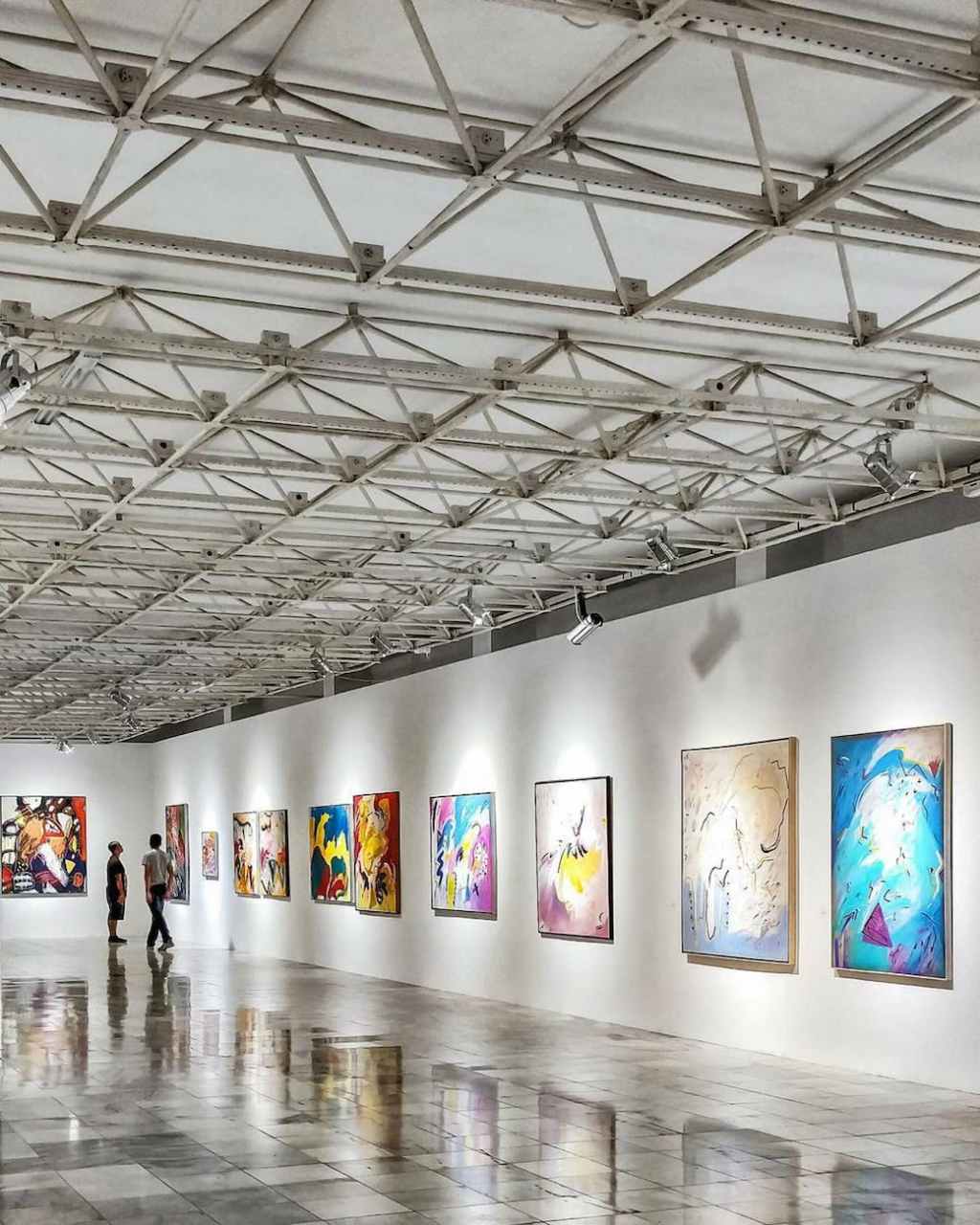
In the crowded world of art galleries, auctions, and museums, it is almost impossible to identify what you like and what you don’t. Here we hope to make that process a bit easier.
In this post, I’ll be outlining the different styles of art and providing some examples of well-known artists in each style from the past, as well as some emerging artists in that style now. By understanding the different styles of art, you’ll be able to refine and develop your own taste.
REALISM is a style of art that attempts to represent subjects as they are in real life, without idealization or exaggeration. It emerged in the mid-19th century as a reaction against Romanticism. Some well-known realist artists include Gustave Courbet, Jean-Francois Millet, and Winslow Homer. Some emerging realist artists include Alonsa Guevara and David Graeme Baker.

The Life Line, 1884
IMPRESSIONISM is a style of art that emphasizes the effect of light and color in the perception of a subject. It emerged in the late 19th century in France. Some well-known impressionist artists include Claude Monet, Pierre-Auguste Renoir, and Edgar Degas. Some emerging impressionist artists include Zaria Forman and Jeremy Mann.

Woman with a Parasol – Madame Monet and Her Son, 1875
EXPRESSIONISM is a style of art that emphasizes the emotional and psychological expression of a subject, often through distorted shapes and colors. It emerged in the early 20th century in Germany. Some well-known expressionist artists include Edvard Munch, Wassily Kandinsky, and Franz Marc. Some emerging expressionist artists include Ken Nwadiogbu and David Hockney.
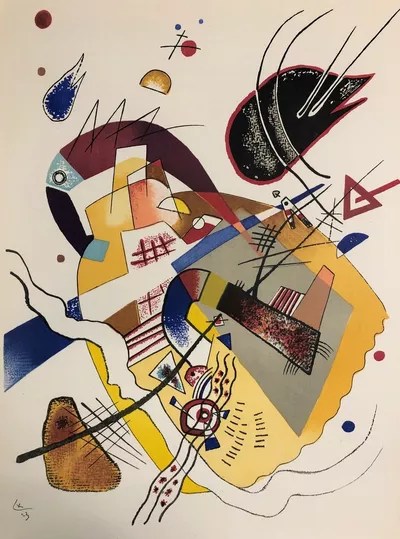
Composition II, 1957
CUBISM is a style of art that emphasizes the geometric representation of a subject, often through fragmentation and multiple viewpoints. It emerged in the early 20th century in France. Some well-known cubist artists include Pablo Picasso, Georges Braque, and Juan Gris. Some emerging cubist artists include Dana Hargrove and Charlie Hanavich.
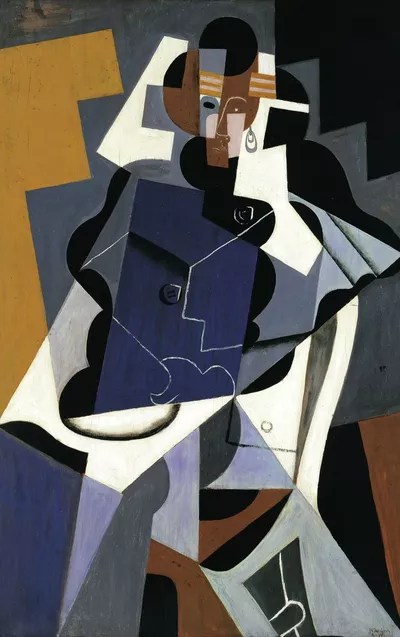
Woman, 1915-1917
SURREALISM is a style of art that emphasizes the irrational and subconscious aspects of a subject, often through dreamlike or fantastical imagery. It emerged in the early 20th century in France. Some well-known surrealist artists include Salvador Dali, Rene Magritte, and Max Ernst. Some emerging surrealist artists include Sonya Fu and Debra Hurd.

Invisible Lion, Horse, Sleeping Woman., 1930
ABSTRACT is a style that emphasizes non-representational forms, colors, and textures. It emerged in the early 20th century and includes movements such as Abstract Expressionism and Minimalism. Some well-known abstract artists include Jackson Pollock, Mark Rothko, and Ellsworth Kelly.

Untitled, 1954
POP art is a style that incorporates imagery from popular culture and mass media, often with bright colors and bold lines. It emerged in the 1950s and 60s and includes artists such as Andy Warhol, Roy Lichtenstein, and Claes Oldenburg. I love the playful and irreverent nature of pop art, and how it can elevate everyday objects and images to the level of high art.
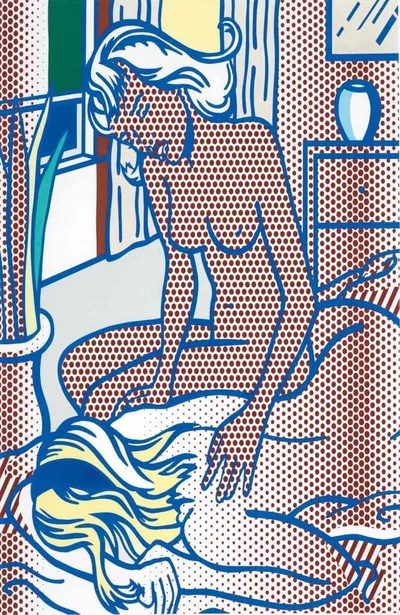
Two Nudes, State I (Corlett 285), 1994
PHOTOREALISM is a style that attempts to create a hyper-realistic representation of a subject, often through the use of photographs as reference. It emerged in the late 1960s and includes artists such as Chuck Close, Richard Estes, and Ralph Goings. While I appreciate the technical skill required to create photorealistic art, I sometimes find it lacking in emotion or originality.

Cindy, 2013
POSTMODERNISM is a style that emphasizes the fragmentation and hybridization of cultural forms, often with a critical or ironic perspective. It emerged in the late 20th century and includes movements such as Neo-Expressionism and Appropriation Art. Some well-known postmodern artists include Jeff Koons, Cindy Sherman, and Barbara Kruger. I love the way postmodern art can challenge and subvert traditional artistic conventions.
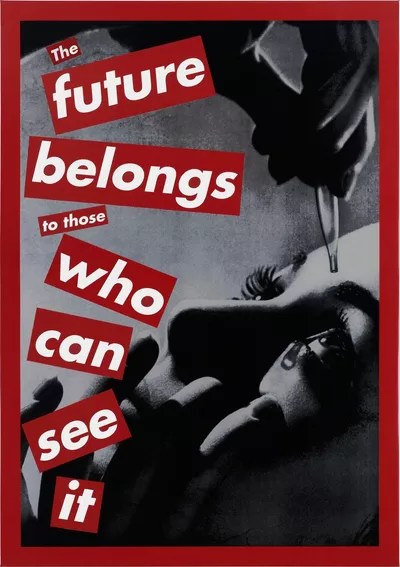
Untitled (The future belongs to those who can see it), 1997
STREET art is a style that encompasses a variety of forms, including graffiti, murals, and installations, and is often created in public spaces. It emerged in the late 20th century as a form of urban expression and includes artists such as Banksy, Keith Haring, and Shepard Fairey. I appreciate the way street art can bring beauty and meaning to unexpected places, and how it can engage with social and political issues.

Pop Shop II, 1988
There are more styles than this, in fact the list goes on and on. Overtime, more art styles arise from the meshing of multiple styles to make one, or the emergence of a new artists reinventing the wheel. Choosing what styles you like best is done best by going and seeing for yourself. Art has this ability to make you feel something that takes a while to describe, unlike any other feeling you can get. Arts’ ability to keep you drawn in, interested in understand what the artist was thinking, and how the artist executed is unique, it’s what draws people in to learn more and the reason why Maasterverk was started. To help others see the beauty in their favorite styles of art, and explore ways to learn about it and hopefully be able to one day live around your favorite art in your own home. Join us in helping with this movement and finding your own tastes and passions.
 Maasterverk
Leave a comment